
Early Childhood
Training for adults who wish to teach children between 3 and 6 years in age.

Montessori approach for children ages 3-6.
The CGMS Early Childhood Teacher Certification program is a unique blend of distance learning with a low residency requirement. There are two programs offered. The Full Certification program is MACTE accredited and affiliated with the International Montessori Council (IMC).
Our next training cohort begins March 23rd, 2026!
Applications are due March 9th, 2026!
Our Program
Using the latest e- technology, CGMS presents video lectures and curriculum presentations offering a deep and comprehensive exploration of the Montessori approach for the elementary-age child from 3 to 6.
Adult learners complete a variety of meaningful assignments that relate directly to their classroom experience and provide opportunities for practical application of the course material. Weekly interactions with instructors and fellow adult learners in online discussion forums and chats serve to build a rich and supportive learning community and provide additional opportunities for integration of course topics.
Course Components
Some of the main course components include
- Philosophy – This course provides the philosophical foundations, which is at the core of the Montessori educational approach.
- Practical Life – Develops an understanding of the importance of fundamental skills to the development of self-confidence, concentration, independence, order, problem-solving, social intelligence and responsibility and the performance of everyday life skills.
- Sensorial – Develops an appreciation for the importance of the Sensorial area as a foundation for learning and support for the development of the Mathematical Mind. Instruction will be given on the presentation of the Sensorial materials for the refinement of the senses in the areas of visual discrimination of size, color, and form, tactile discrimination; and exploration involving the sense of smell, and taste.
- Language – Participants will study the natural phenomena of language development in early childhood and the child’s sensitivity and fascination with language. Topics of this course include oral expression, age-appropriate visual and auditory perceptual experiences, vocabulary development and enrichment, phonemic awareness, word study, beginning handwriting, expressive writing, and lessons for teaching simple grammar or the function of words.
- Classroom Leadership – This course presents the principles of effective classroom leadership necessary for preparing adult learners for the practical application of Montessori philosophy and methodology in today’s classroom environments. Course content includes designing the prepared environment, establishing daily routines, starting a new class, lesson strategies, evaluation of students, record-keeping systems, and curriculum planning, as well as techniques for positive discipline and problem-solving in implementing effective classroom strategies
and much more!
Certification Level
IMC Montessori Certification for teaching ages 3-6. (Full Certification is MACTE Accredited.)
Length of Course
19 months
Distance Learning Phase
19-month online phase with a one-week break approximately every 9 weeks and a two-week winter and summer break. New cohorts (groups) of adult learners begin several times a year. Adult learners follow a specific schedule of course curriculum, working with fellow students and Instructional Guides on a weekly basis. Adult learners should plan 10-15 hours per week, which can be scheduled at their own convenience, to view course video lectures and presentations, complete a variety of assignments, and participate in course discussions. Once a week, adult learners participate in a one-hour scheduled live chat session. During this phase, adult learners will need access to a Montessori Early Childhood classroom for observation assignments, lesson practice, and the 9-month practicum/internship.
Residential Phase
The Early Childhood Full Certification Program requires attendance at one 80-hour residential session. Locations vary from year to year. To see currently scheduled locations, click here. Our recommendation is for attendance at a residential session in the first summer of the course, before one begins the practicum/internship phase. The summer residential session provides opportunities for supervised lesson practice and material making. The emphasis on classroom leadership skills helps prepare students for the practicum phase so they are successful in translating Montessori theory and methods into daily classroom practice.
Practicum Phase
Adult learners are required to complete a 9-month (full school year) half-day practicum/internship in an approved Montessori Early Childhood classroom. This intern-teaching phase must take place in a Montessori classroom for children 3-6 years of age. Exceptions may be made for an alternative age grouping, at the discretion of the Director of Education, but a minimum of a 2-year grouping within the 3-6 age range is required. Classrooms must be well equipped with the Montessori Early Childhood curriculum materials. Montessori best practices must be followed.
Adult learners will be assigned a Field Consultant who will visit the adult learner in the practicum classroom to provide feedback and support and to evaluate the student’s growth and progress as a Montessori Guide. CGMS makes an effort to find and contract certified and experienced Montessori consultants within reasonable driving distance of the adult learner to serve as the field consultant. When this is not possible, the adult learner or sponsoring school will be responsible for the additional travel cost for the practicum evaluation visits.
The ideal practicum experience takes place in a classroom with a certified and experienced Montessori Early Childhood Guide. In this situation the student serves as an assistant teacher-intern working under the guidance of the Supervising Teacher. This enables the student to observe and learn from the mentor teacher while increasingly developing knowledge and skill in all areas of the curriculum and in the duties of a lead Montessori Guide.
In some circumstances adult learners may need to complete a Self-Directed Internship. This occurs when a qualified Supervising Teacher is unavailable to work directly with the intern as the lead teacher in the practicum classroom on a daily basis. Under these circumstances the adult learner serves as the lead teacher in the classroom while in training. A Self-Directed Internship must be approved by the CGMS Director of Education or Early Childhood Coordinator. A Self- Directed Support Plan must be submitted to ensure that the adult learner has the additional guidance needed for success. All self-directed interns are assessed a fee of a minimum of $700 to cover the expense of this additional support and additional evaluations that are required by the accrediting agency.
Upgradeability
CGMS offers two tiers of training. Full Certificate students attend a two-week training program in addition to their Montessori distance learning component.
CGMS Associate Certificate students can, either during their course of study or for up to five years after, upgrade to the Full Certificate by attending the summer sessions. This unique feature of the CGMS program means that you can begin your training now, when you can’t leave home, and then upgrade to the Full Certificate when your schedule improves.
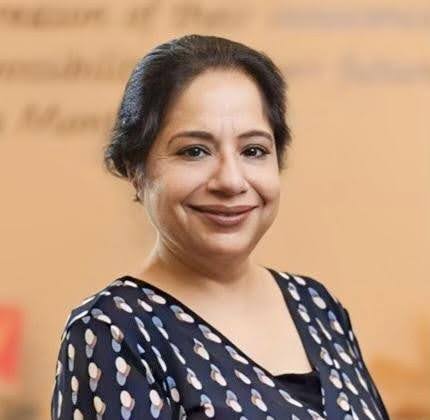
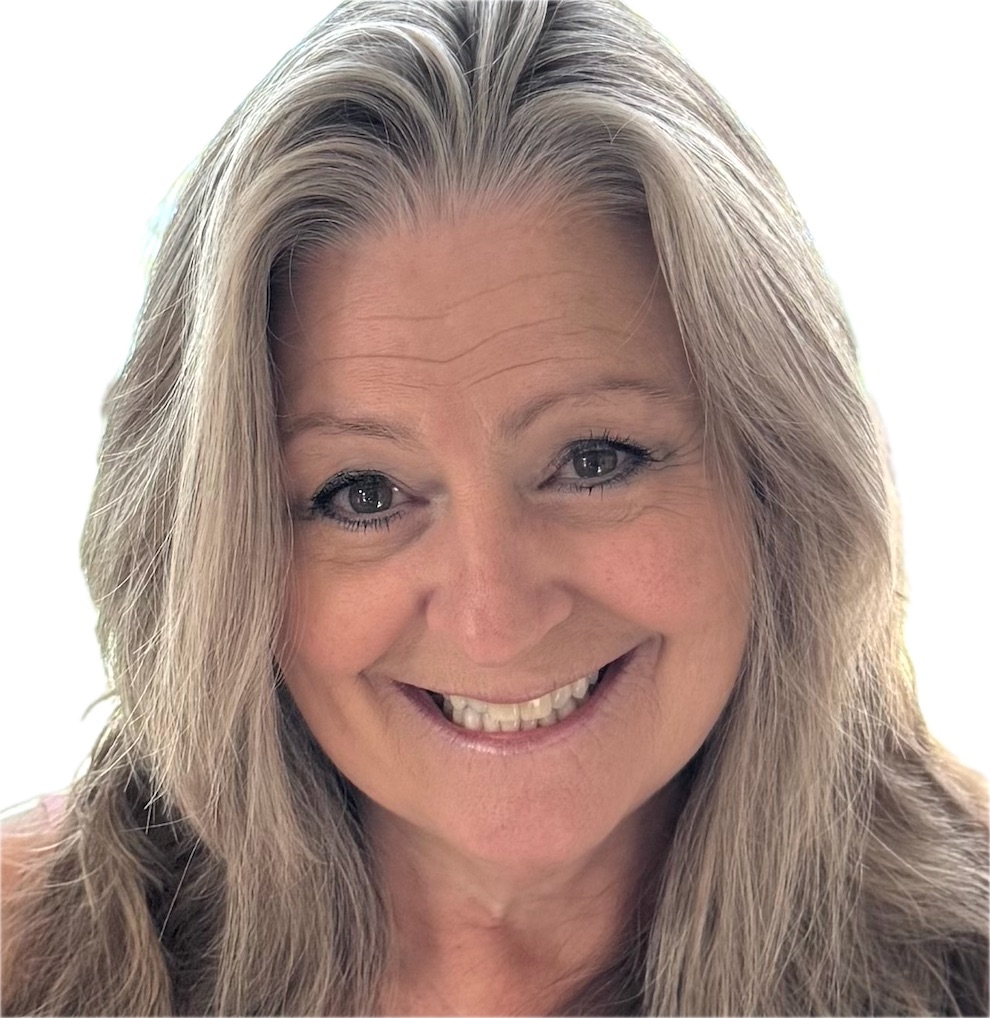
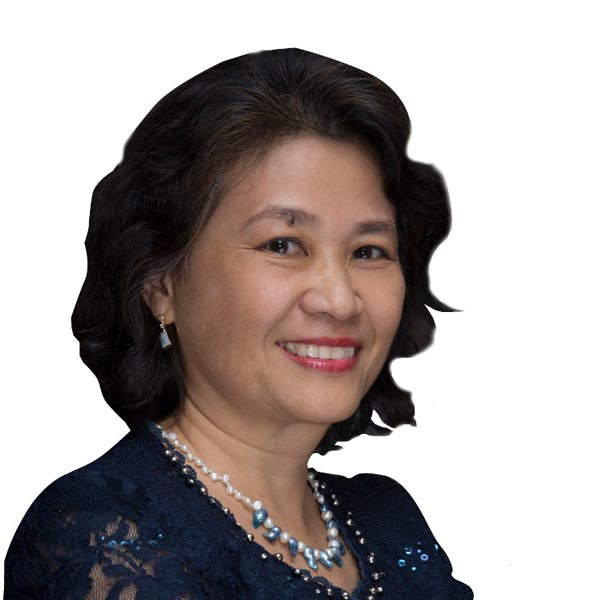
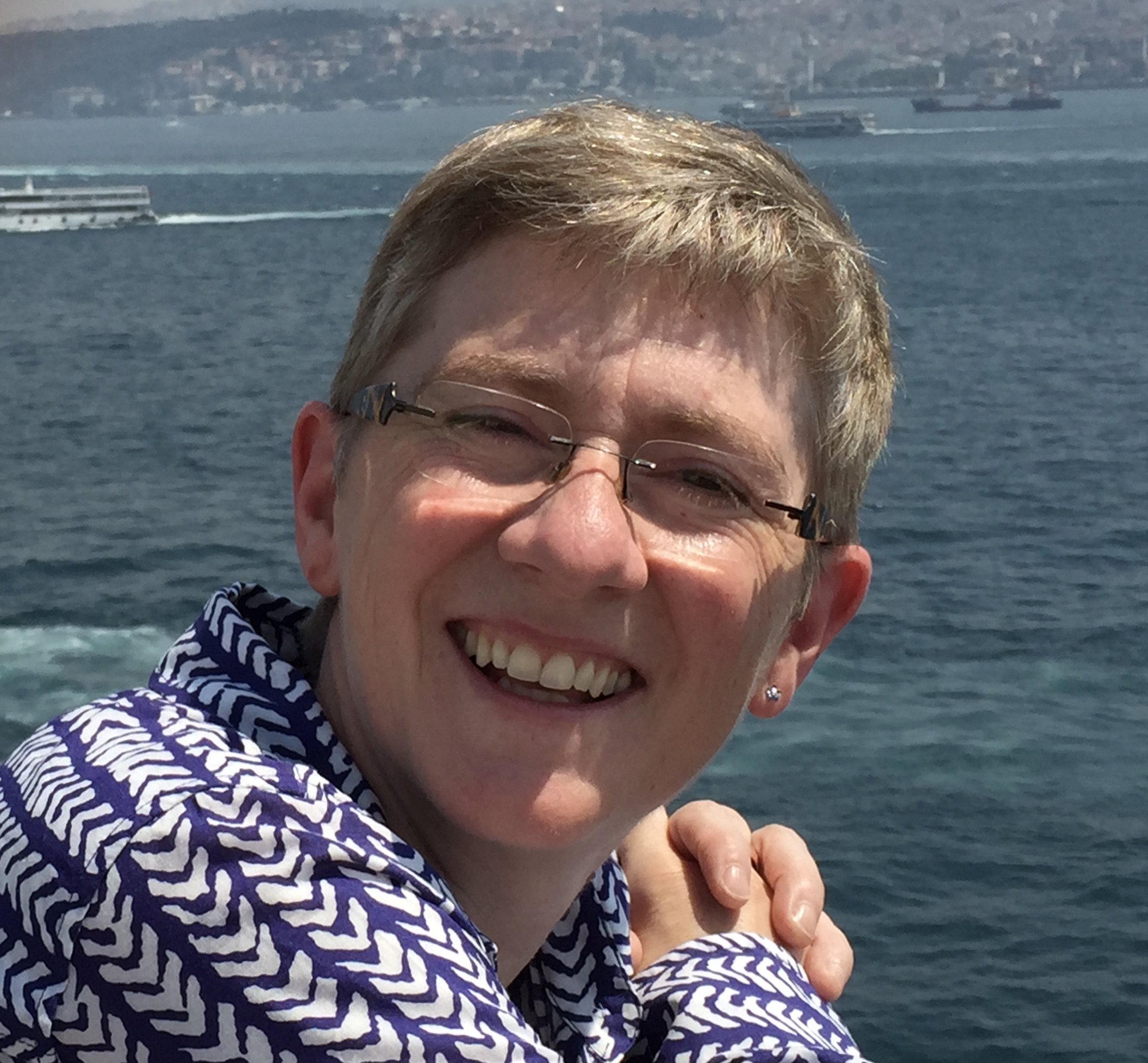
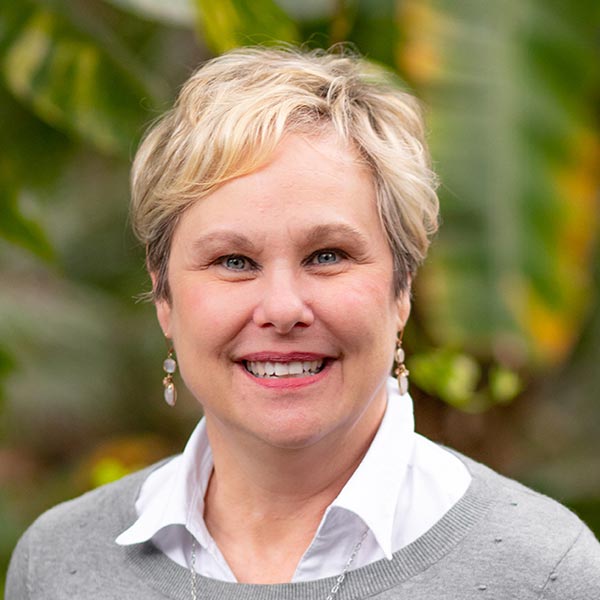
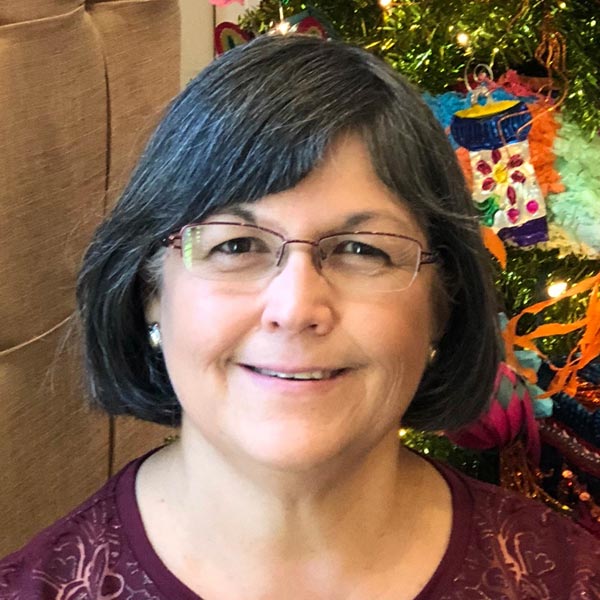
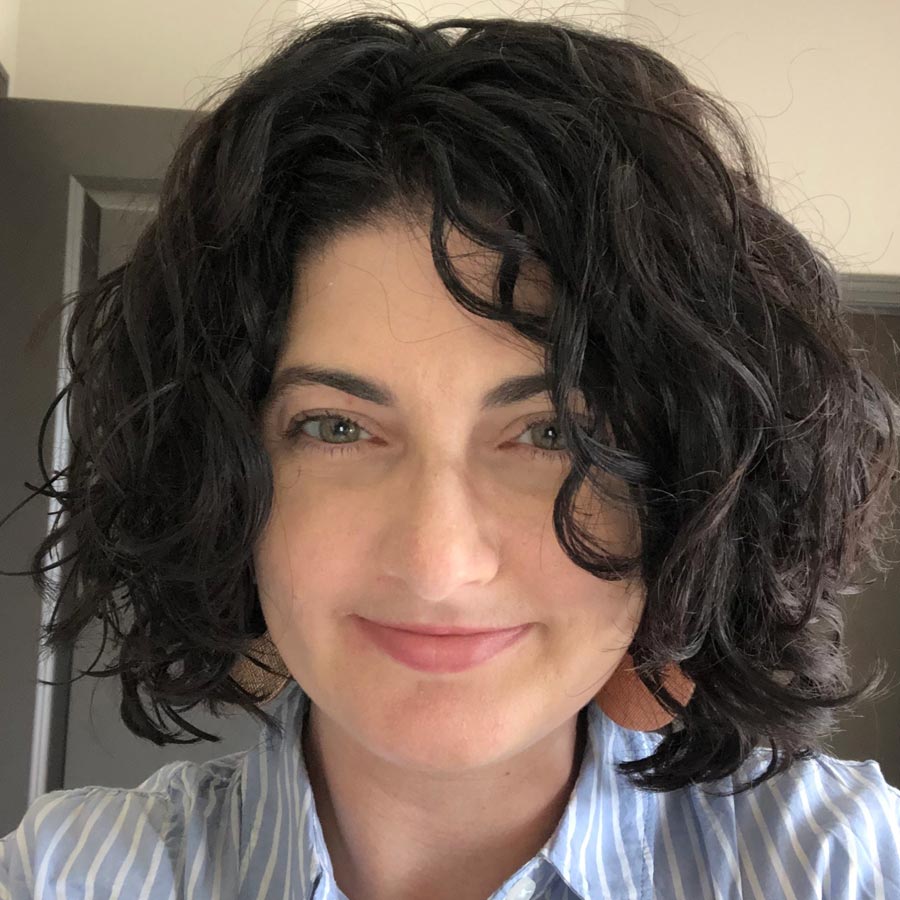
Meet our Early Childhood team
Have you always wanted to learn from the best of the best? Look no further! Our faculty members have decades of Montessori experience as Instructors, Guides, Field Consultants, and Practicum Advisors, which means you’ll be learning from some of the top Montessori professionals in the field.














Additional Program Information
Our next training cohort begins March 23rd, 2026! Stay tuned for virtual information session dates.
Contact Us
Questions? Curious to learn more? Send us an email (info@cgms.edu) or call us (1-888-7897) and someone from our Admissions team will help you out!
See what they’re saying.
Our Early Childhood program alumni have a lot to say about their experience.

Early Childhood Participant
Alumni

Early Childhood Participant
Alumni
knowledge.

Early Childhood Participant
Alumni

